As deadly floods sweep across Texas, leaving communities underwater and people scrambling for safety, many experts and citizens are asking a serious question: Did past budget cuts to disaster response programs make this crisis worse? Eyes are now turning toward decisions made during former President Donald Trump’s time in office.
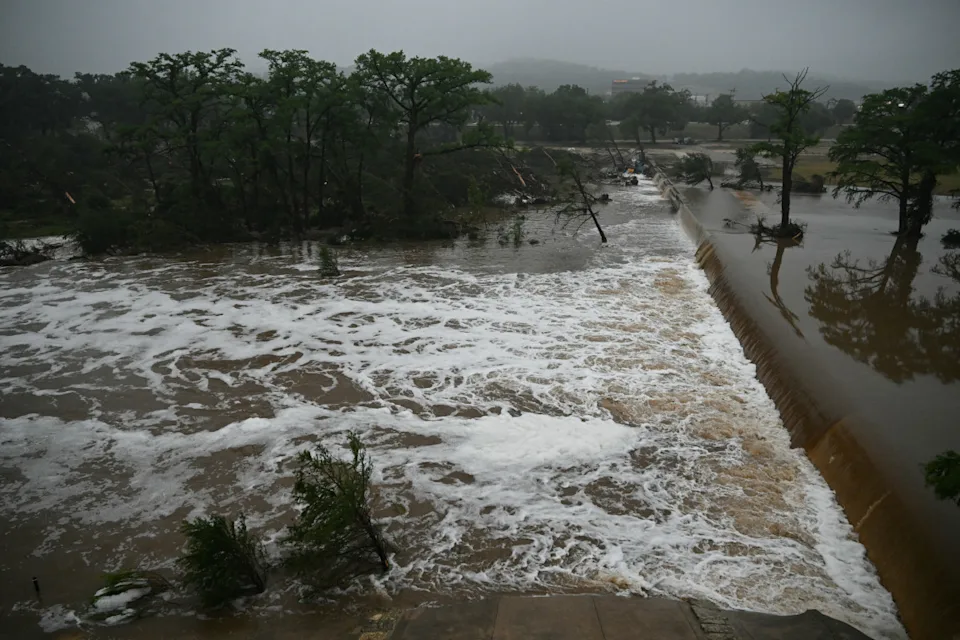
Over the past few days, heavy rain and flash floods have caused massive damage in parts of Texas. Streets turned into rivers, homes were destroyed, and emergency services were overwhelmed. While rescue operations continue, a political storm is also rising over how disaster preparedness was weakened in recent years.
Many critics point to Trump-era budget cuts to agencies like the National Weather Service (NWS) and the Federal Emergency Management Agency (FEMA) — organizations that play key roles in storm prediction, flood monitoring, and emergency response.
What Cuts Are Being Talked About?
During Donald Trump’s presidency, several proposals were made to reduce funding for weather and disaster-related programs. These included:
-
Cutting budgets for climate and weather satellite systems
-
Reducing funds for flood mapping and risk analysis
-
Shrinking support for local emergency response planning
-
Proposing layoffs or hiring freezes for National Weather Service staff
While not all proposed cuts were approved by Congress, many agencies still faced tight budgets, making it harder for them to upgrade technology or respond quickly to fast-moving disasters like the floods in Texas.

Why It Matters Now
The recent floods have exposed just how important these programs are. Emergency planners say early warnings, up-to-date flood maps, and trained weather staff can save lives. Without enough resources, agencies may struggle to give the public timely alerts or reach affected areas quickly.
One disaster expert told reporters, “When funding is cut from the agencies that warn us and protect us, we all feel the consequences later — and that’s what’s happening in Texas right now.”
Communities hit hardest by the floods include low-income neighborhoods, which often lack strong infrastructure and rely more on government warnings and emergency help. Some residents said they got little to no warning before water rushed into their homes.
Trump Team Defends Past Decisions
Supporters of Trump argue that the cuts were aimed at reducing government waste, not endangering public safety. They say the government needed to be more efficient, and that local governments also share responsibility for disaster preparedness.
However, critics believe that cost-cutting in disaster response is short-sighted, especially as climate change brings more extreme weather events.
What’s Being Done Now?
The Biden administration has promised to review funding levels for FEMA, the National Weather Service, and other agencies involved in emergency management. In recent years, more money has been directed toward climate resilience, flood control, and disaster response.
But rebuilding these systems takes time — and for many Texans affected by the recent floods, that help is coming too late.