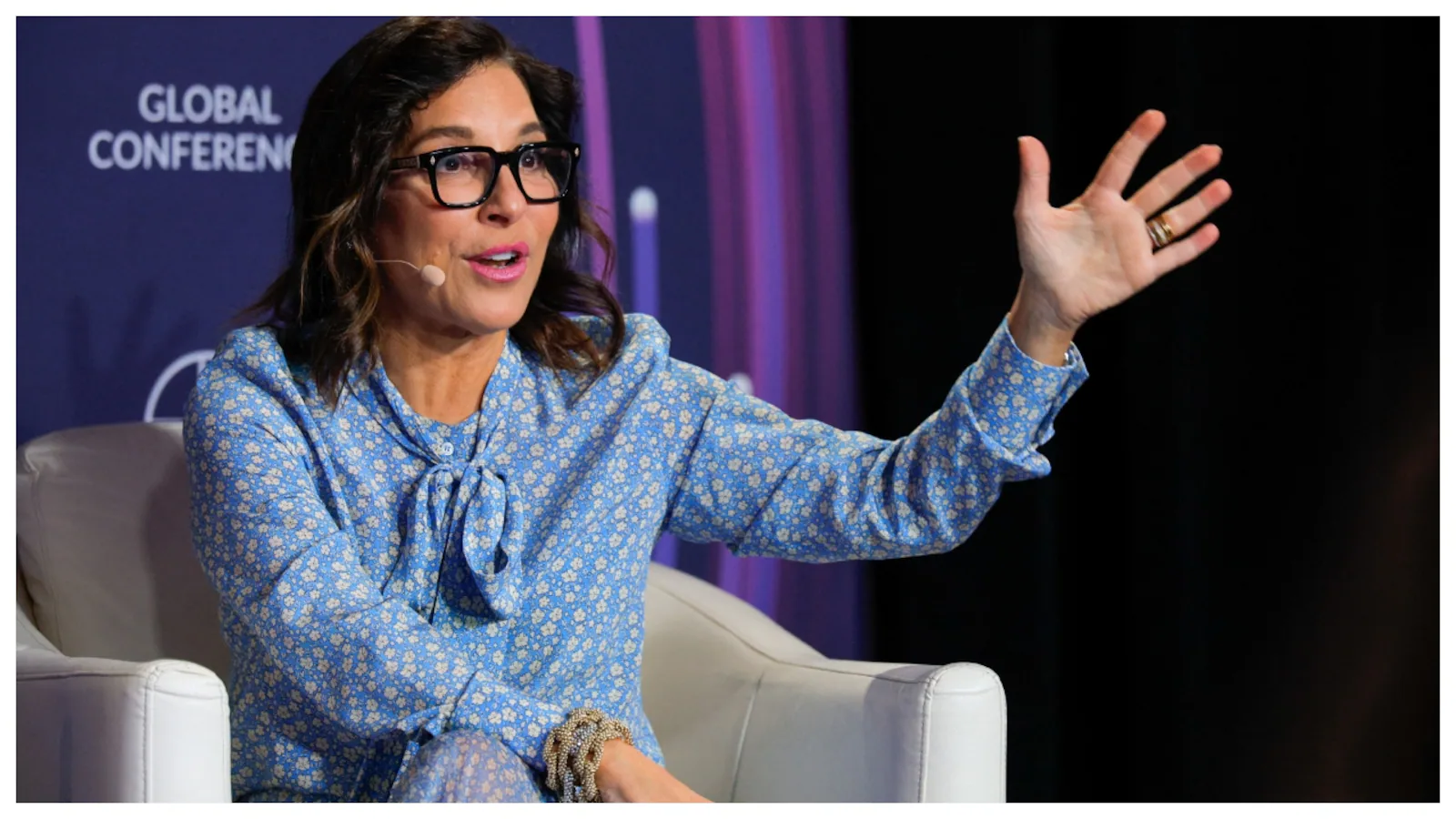
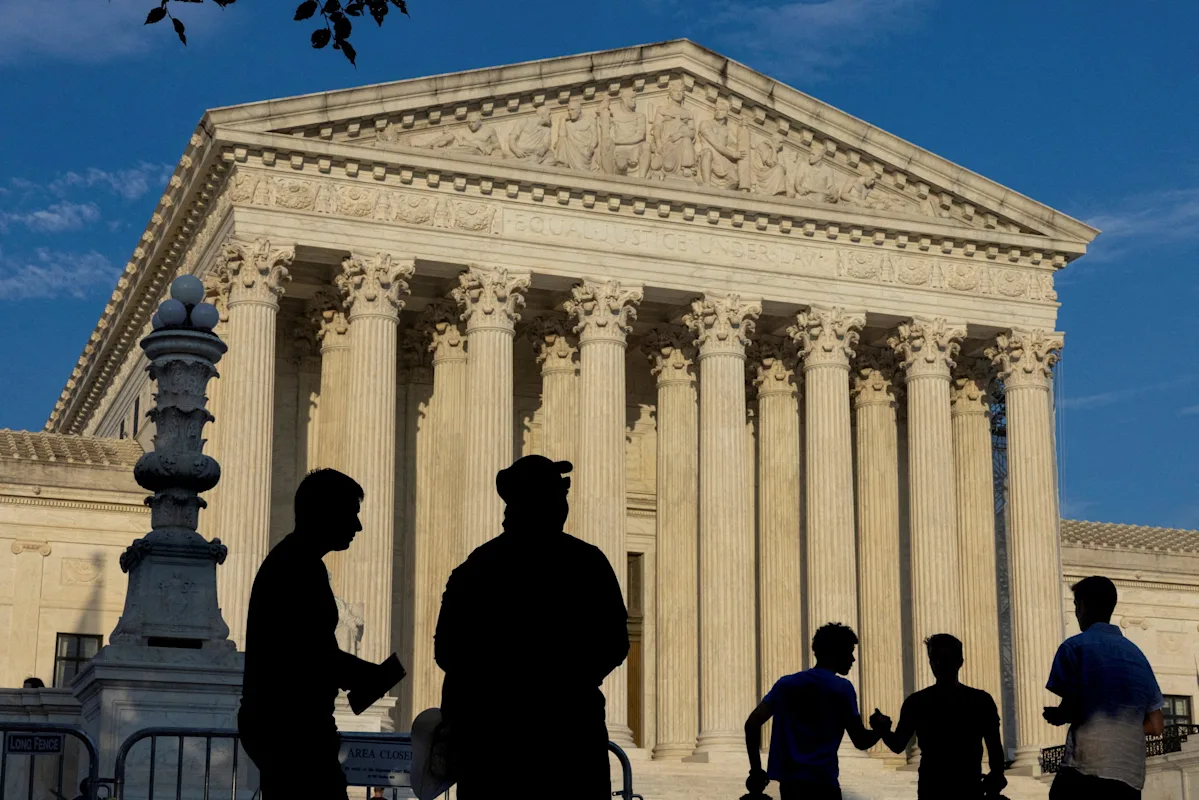
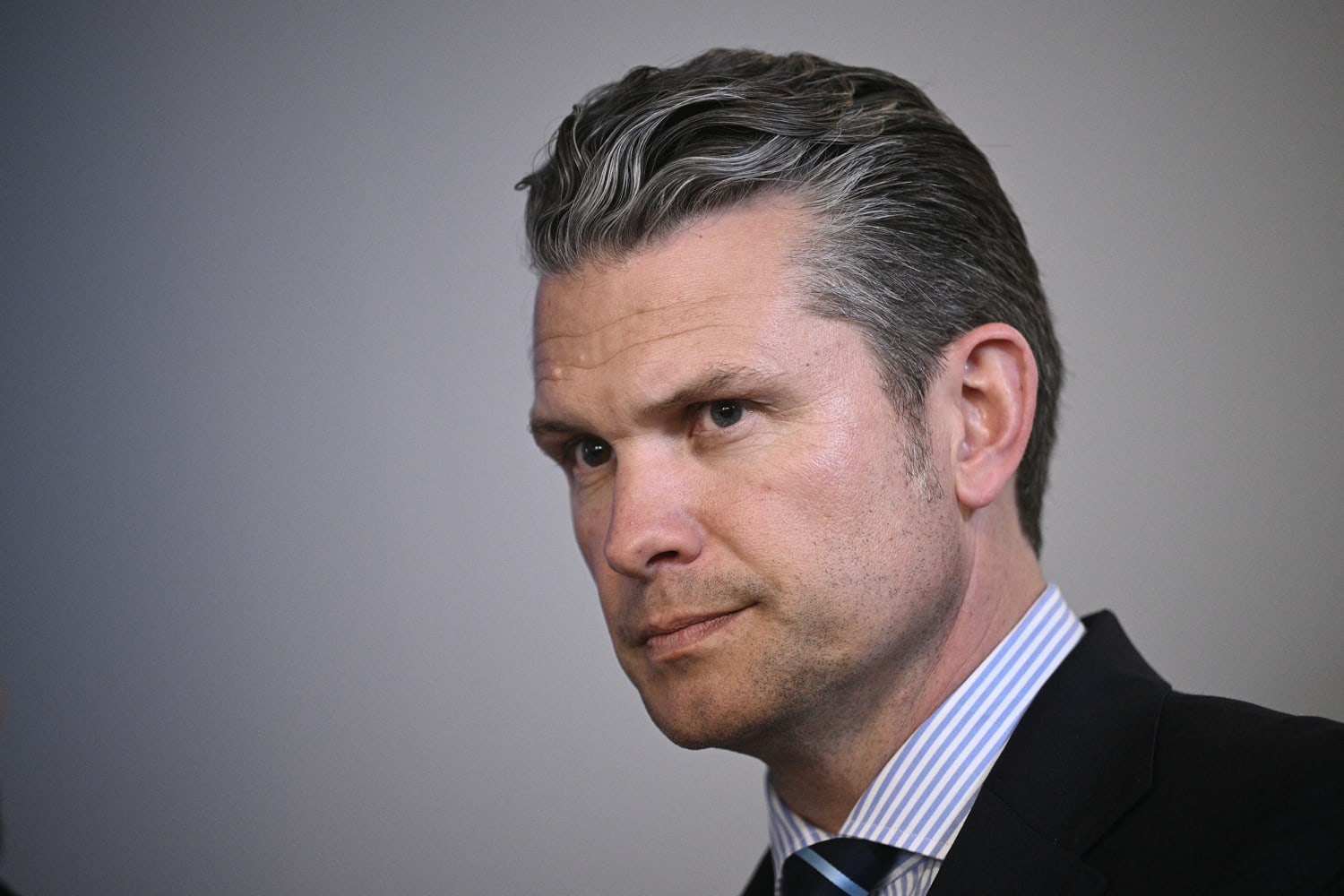
In a bold and unexpected move, the United States has imposed sanctions on a United Nations official, sparking international debate and diplomatic tensions. The action, announced by the US Department of State, marks a rare case where a high-ranking UN figure has been directly targeted by US sanctions.
The official, whose name has not been fully disclosed in some reports, is believed to be linked to actions that go against US foreign policy or involve alleged human rights violations or financial misconduct.
This decision has caught the attention of the international community, with many asking: Why would the US sanction someone from the UN? And what does this mean for future relations between the US and the global body?
Why Was the UN Official Sanctioned?
According to the US government, the sanctions were placed due to the official’s suspected involvement in activities that threaten global peace, support authoritarian regimes, or misuse UN powers for personal or political gain.
While full details are still developing, the US stated that its actions are based on preserving human rights, combating corruption, and defending national interests.
Experts believe this move may be linked to ongoing issues in conflict zones, where UN officials play key roles in peacekeeping, humanitarian efforts, or economic management.
What Do the Sanctions Include?
Under the sanctions:
-
The official’s assets in the US are frozen
-
They are banned from entering or traveling through the US
-
American individuals and companies are forbidden from doing business with them
This kind of action is usually applied to foreign government officials or business leaders — not UN representatives. That’s what makes this case especially controversial and high-stakes.
Global Reactions
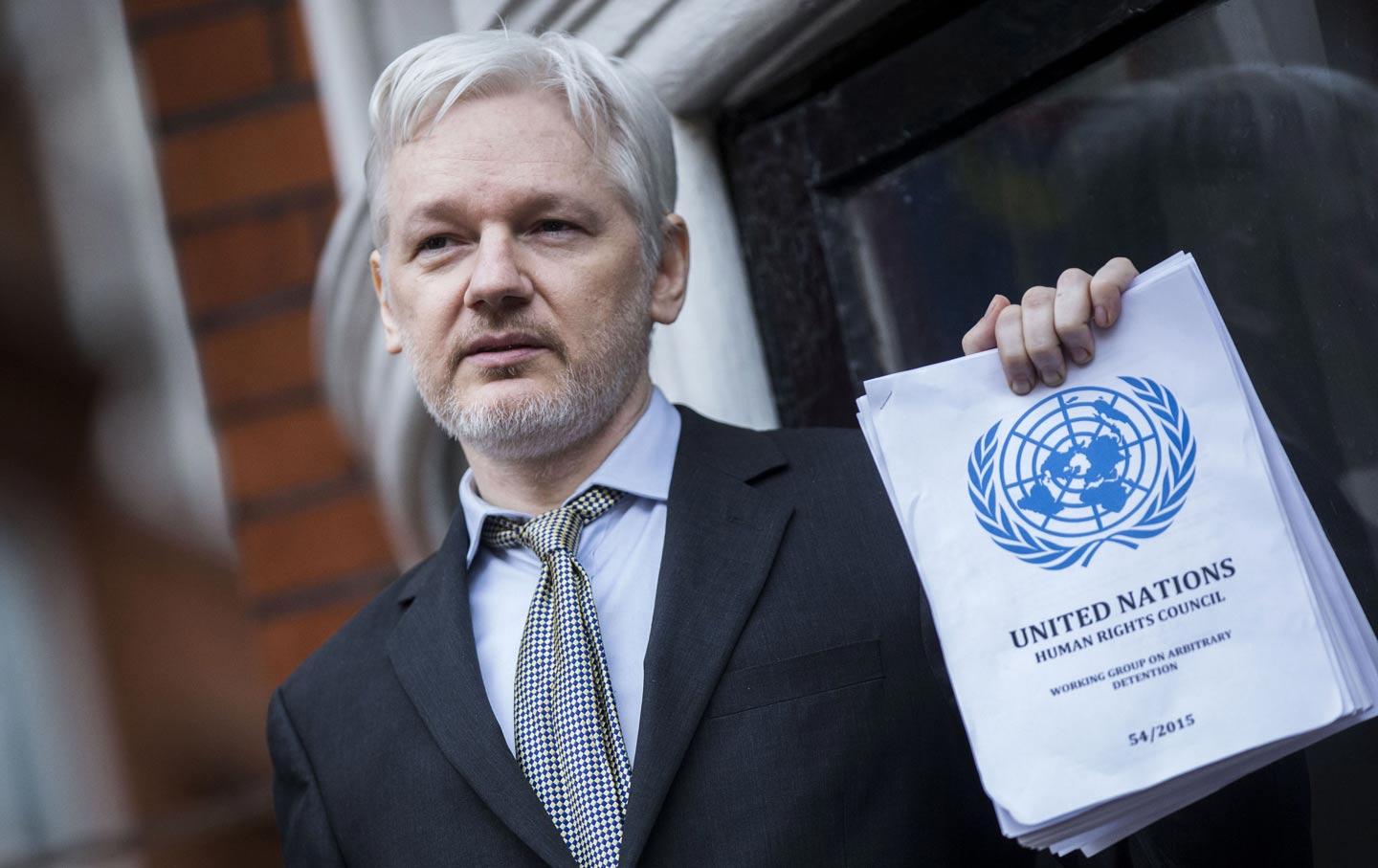
The United Nations has not released a full statement yet, but several international diplomats have raised concerns that such sanctions might interfere with UN neutrality.
Some countries have criticized the US for overstepping its boundaries, while others support the move, saying accountability must apply to everyone — even those in global organizations.
This tension could impact future cooperation between the US and the UN, especially in global peacekeeping missions or humanitarian negotiations.
What Happens Next?
As this story develops, many are waiting to see:
-
Whether the UN will respond or defend the official
-
If other nations will support or oppose the US move
-
What kind of evidence or detailed accusations will be shared publicly
This case is likely to trigger more legal and political debate in the coming weeks. For now, the US stands firm, saying it will continue using sanctions to fight corruption and protect democratic values — no matter where the target works.