In a major legal twist, the U.S. Supreme Court has decided to keep a temporary hold on Florida’s strict immigration law, leaving both supporters and critics in suspense. The decision stops the law from going into effect—for now—and gives the court more time to study whether the law goes against federal immigration policies.
This move comes after the state of Florida, led by Governor Ron DeSantis, passed a law that allowed local police to arrest people they suspect of being in the country illegally. Critics quickly called the law harsh and dangerous, while supporters said it would help fight illegal immigration and protect the state.
What Is the Florida Immigration Law About?
The law, known as SB 1718, would give more power to local law enforcement to crack down on undocumented immigrants. It also requires hospitals to ask about immigration status, bans certain IDs issued by other states, and punishes businesses that hire undocumented workers.
Supporters of the law argue that Florida is stepping up where the federal government has failed. They believe it’s necessary to protect jobs, resources, and public safety. Governor DeSantis has often spoken about being tough on immigration, and this law is a big part of his political agenda.
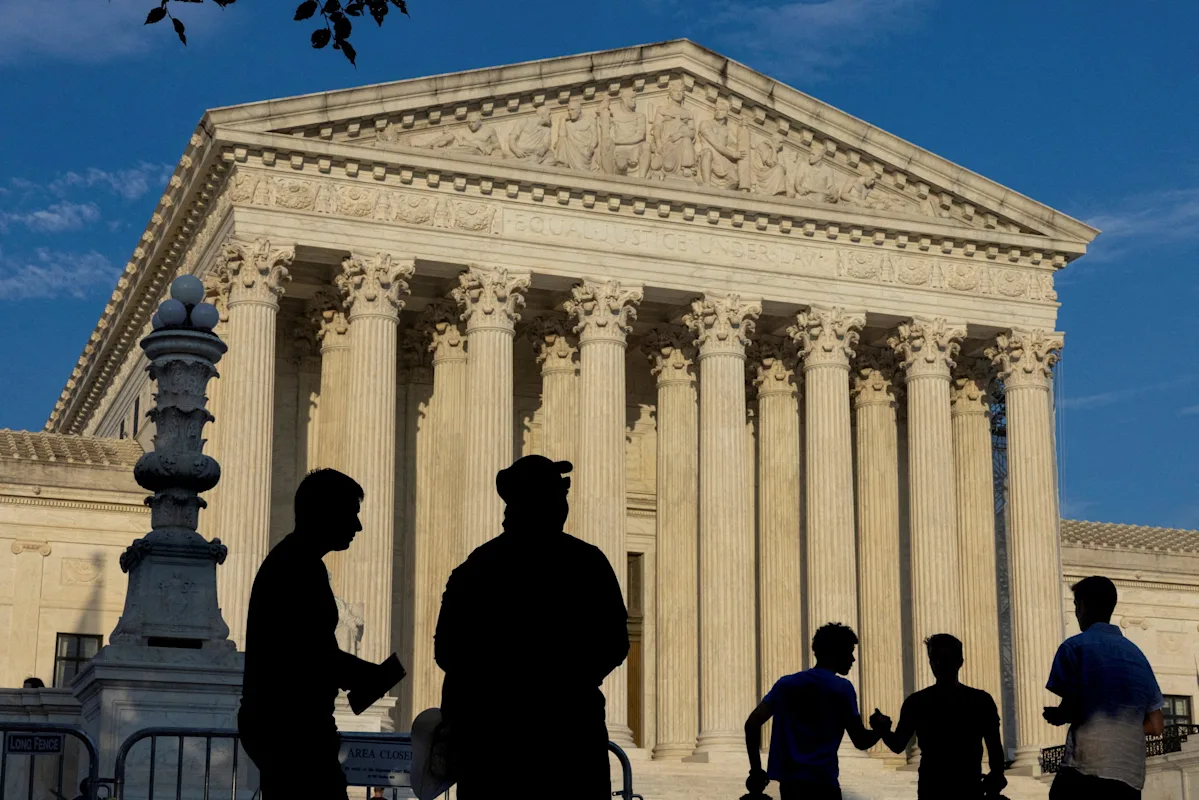
Why Did the Supreme Court Put It on Hold?
The American Civil Liberties Union (ACLU) and other rights groups filed lawsuits against the law, saying it could violate federal authority and lead to racial profiling. They argue that only the federal government has the power to make and enforce immigration laws, not individual states.
The Supreme Court’s decision to pause the law doesn’t mean it’s canceled, but it does suggest there are serious legal concerns. The court will likely take more time to review whether the law crosses constitutional lines.
For now, the law cannot be enforced, and Florida must wait until a final ruling is made.
What Does This Mean for Florida Residents?
This decision is a temporary relief for immigrant communities in Florida, who feared being targeted or separated from their families. Advocacy groups are calling it a “win for justice,” but they also warn that the fight isn’t over yet.
Meanwhile, state leaders are pushing back. Some have said they’ll continue to defend the law and will take the battle all the way through the courts if needed.
This legal fight could become a major turning point in the national debate on immigration, especially as other states watch closely and consider similar laws.