A federal judge is facing serious backlash after issuing a controversial order in a Planned Parenthood case — and critics aren’t holding back. Some are now comparing her courtroom to a “fast food drive-through,” accusing her of rushing decisions without proper care or attention.
The judge in question, U.S. District Judge Katherine Menendez, came under fire after signing a temporary restraining order (TRO) that allows Planned Parenthood to continue providing certain abortion services in areas where they were recently restricted. While supporters say the order protects women’s rights, critics argue it was handled with shocking speed and bias.
According to legal experts and conservative lawmakers, the judge approved the order just hours after the lawsuit was filed, raising questions about how deeply the court reviewed the case. One critic even described it as “judicial rubber-stamping,” saying the process felt more like fast food service than a fair legal hearing.
What Was the Case About?
The case centers around new state-level abortion restrictions, which Planned Parenthood claims are unconstitutional and harmful to women. In response, they filed for a TRO to immediately block those laws from taking effect. The judge granted that order quickly, meaning the clinic can still offer the restricted services for now.
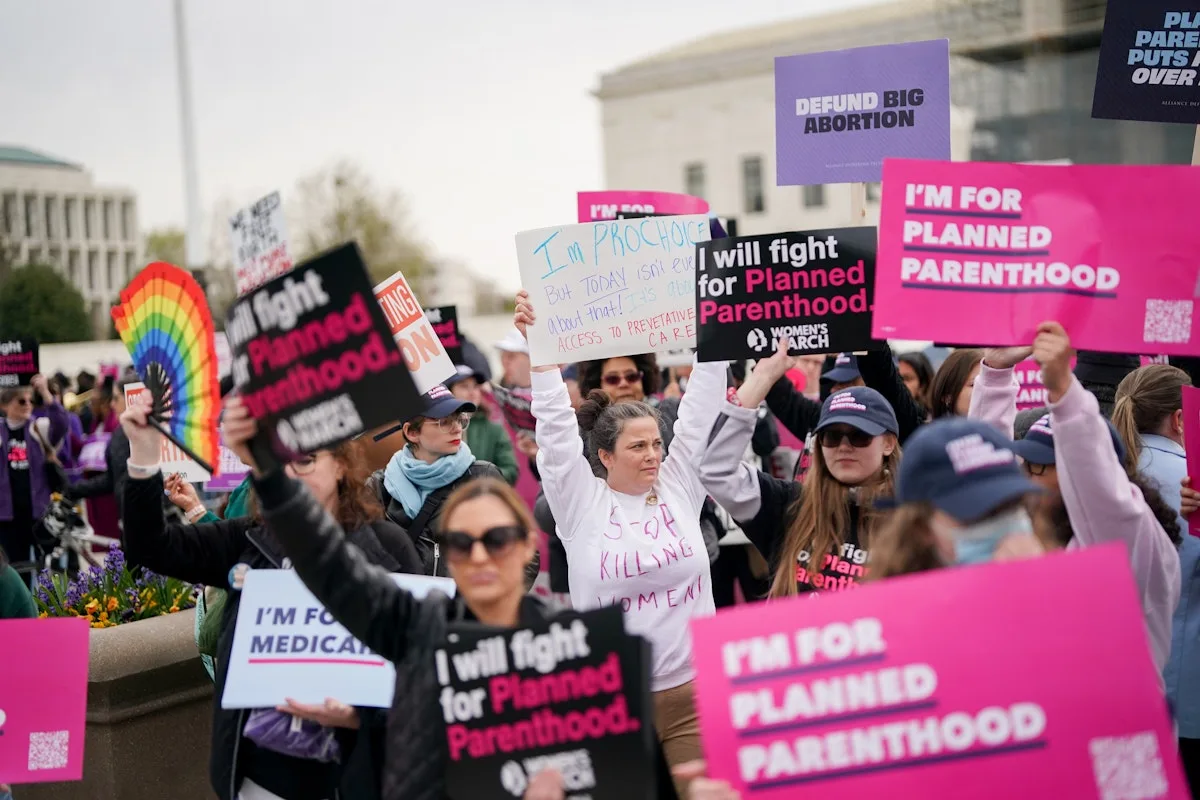
Supporters of Planned Parenthood praised the move, saying it was necessary to avoid irreversible harm to women needing time-sensitive medical care. However, those on the opposing side argue the judge rushed to judgment without giving the state a fair chance to respond.
Critics Slam Court Process
Conservative commentators, lawyers, and pro-life activists are now calling out the judge’s handling of the case. Some say the legal system needs more balance, especially in cases involving deeply sensitive issues like abortion.
“This wasn’t justice — this was speed,” said one critic. “It’s like pulling up to a drive-through window and getting your order without even being asked what you want.”
Others say the decision could set a dangerous precedent, allowing courts to make major rulings without full arguments from both sides.
What Happens Next?
The TRO is only temporary. A full hearing is expected soon, where both sides will present detailed arguments. The judge will then decide whether the temporary order should become permanent or be lifted.
Until then, the political tension continues to grow, with abortion rights and judicial processes now becoming a hot topic in state and national debates.