In a bold statement to the United Nations, the government of El Salvador said that migrants sent to the CECOT mega-prison are the responsibility of the United States. The comments have drawn international attention and raised big questions about immigration policy, human rights, and international cooperation.
What Is CECOT and Why Are Migrants Being Sent There?
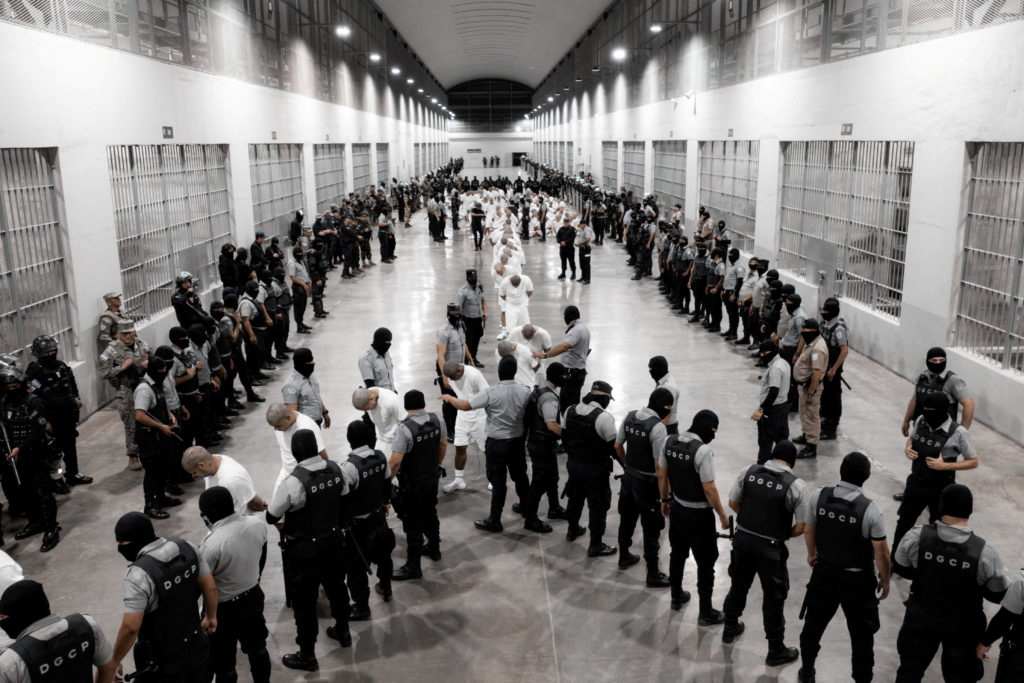
CECOT, short for Centro de Confinamiento del Terrorismo, is one of the largest and most high-security prisons in Latin America. Built by El Salvador to deal with violent gangs, the facility has made headlines for its strict rules and huge size—holding up to 40,000 prisoners.
Recently, some migrants with alleged criminal ties have been sent there. But now, El Salvador is pushing back, saying the U.S. has a role in what happens to these individuals.
El Salvador’s Strong Message to the UN
During a recent meeting at the United Nations, El Salvador’s representatives made it clear: “These individuals are not just our problem—they are also the responsibility of the United States.”
The Salvadoran government argues that many of these migrants were deported by U.S. immigration authorities and that the root causes of their behavior were formed while they were living in the U.S.
The message is clear: El Salvador does not want to carry the full burden alone.
What the U.S. Has Said So Far
As of now, the U.S. government has not responded directly to El Salvador’s comments at the UN. However, officials in the past have said that combating international crime and migration issues requires cooperation between countries.
The situation shows just how complex immigration and public safety issues have become—not just in the U.S., but across the Americas.
Why This News Matters
This story touches on immigration, security, and global responsibility. With tensions already high over the U.S.-Mexico border, and with thousands of migrants moving through Central America, this new disagreement could lead to diplomatic challenges between the U.S. and El Salvador.
For many human rights groups, there is also concern over the conditions inside CECOT, which has been criticized for being too harsh. Sending migrants—many of whom may not have committed serious crimes—into such a place is now becoming a global issue.